May 2, 2020

Is 12 Mil Vapor Barrier Ideal For Crawl Spaces?


I was alerted to the vulnerabilities of a home due to the crawl space not being maintained properly. I regularly take care of my home and I consider myself a DIY person. I mow the lawn myself, I do repairs wherever I can, I take care of the drainage in my home, I paint the walls when needed and so on. However, I have not been to the crawl space because I did not think about it at all. I stay in Raleigh and when my friend told me that he had his crawl space encapsulated, that was when it hit me, I had neglected the crawl space. He was the one who alerted me to the dangers. He also told me that I should not look at saving money by doing it myself; rather I should hire a Raleigh crawlspace encapsulation expert and get the job done.

However, my DIY instincts kicked in and I started researching online about crawl space encapsulation, the material used, the way to do it etc. After the research I was sure that I needed an expert to do the job, but I had a few questions for him.

The first question I asked the encapsulation expert was whether I needed crawl space encapsulation in the first place. I wanted a detailed answer and the Raleigh expert did not fail me. He pointed out the problem areas, he showed me where mold and mildew had grown, and he showed spots with fungus growth. I was amazed to see that a few rodents had made the crawl space their home and a termite colony had sprung up recently. He advised me that I had no other option but to encapsulate the crawl space and that too immediately.

The next question I asked was, what mil vapor barrier is ideal for crawl spaces? He was taken aback, because not many people know about the material that is used and most do not even want to know, they just need a quote and a deadline to complete the task. He then told me that vapour barriers are available from 6 Mil to 20 Mil and 6 is thin material whereas 20 is the thickest material. He did not advocate 6 Mil as it was too thin and could get damaged soon, 20 Mil was too thick, after looking at our crawl space he suggested 12 Mil. I was fine with it, but I asked him whether 12 Mil vapor barrier was the ideal one for all crawl spaces. The expert told me we could go for 10 Mil too but if you want the crawl space encapsulation to last for years then 12 Mil was the ideal one. He further told me that he had years of experience in the field and 12 Mil vapor barriers with reinforced string was the best and lasted long.

I heeded his advice and I had the crawl space encapsulated with 12 mil vapour barriers and I can say that I am really happy and I need not think about my crawl space at all, after all I have a lot of other DIY options at home.

Image source: https://pixabay.com/photos/cityscape-downtown-night-photograph-2096730/

How To Choose A Moving Company in Burlington NC


Choosing a moving company can be hard. However, if you do your research you can find a good one and the time you put in your research will be rewarding because you can save a lot of money (think hundreds of dollars). 

Recently we moved from one location to another in Burlington NC and I had to do the research to find a good moving company. I finally zeroed in on Triangle Moving Service because they ticked all the right boxes. The way I went about choosing the moving company is given below:

Think local:

Do not choose a moving company that is based in some other city or state. Select a company that is locally based because you know that you will not be taken for a ride. There are unscrupulous movers who will take your possessions but will not deliver. To deliver they will ask for more money, you can be sure that with a local moving company you will not face such hassles.

Estimates:

A good moving company will provide an estimate of the cost based on the goods that need to be moved. The person will visit the place and take stock of the inventory and analyse the approximate weight to be moved as well as the space required to transport it. If a moving company does not send a person to provide an estimate then do not choose them. If a moving company provides a very low quote then again you need to be careful because they could trick you later. Choose a company after taking three quotations at least from three different movers. You will know the average cost that you would incur too.

Credentials:

Check that the moving company is bonded and insured because it is very important. If the moving company does not have insurance and if you hire them and a mishap occurs, you will be held responsible. Only hire a moving company that is fully insured and bonded. Apart from insurance the moving company that you hire should have the necessary licenses. It is essential that the moving company has a USDOT number. The USDOT number should also be displayed in their websites. Make sure you check this too.

Testimonials:

Reviews and testimonials provide a good understanding of what you are dealing with. So make sure to check the testimonials and reviews of real people. Ask the moving company to provide phone numbers of clients who have provided testimonials and you can speak to them. A one on one will surely help you choose. The moving company that I chose has been winning awards for best service in Angie’s list, which is a website that provides real reviews and ratings from real people.

Deposit:

Most moving companies do not ask for deposits though some ask up to 20% of the estimate as a deposit. If a moving company is asking for advance deposit of 50% or more then you should not choose them.

Image source: https://pixabay.com/vectors/north-carolina-state-usa-flag-map-890632/

May 1, 2020

Home improvements you should never DIY


Getting your hands dirty around your home can feel very rewarding. Not only will you save quite a bit of money on labor, but you also get to be creative and spend your time in a useful way. This is particularly true when you are stuck at home for long periods of time. However, there are certain home improvements you should never DIY. While painting your walls or even changing your backsplash may actually warrant a ‘how hard can it be’ approach, certain repairs require skills that may not be at your disposal. Not only might you find yourself unable to finish the repair, but you can actually end up hurting yourself or causing lasting damage.

Getting ready for renovations

In order for your home improvement to go swimmingly, you should take certain steps beforehand. If you are doing a DIY project, you will obviously have to gather all of the tools and materials you’ll need for the repair. Hiring professional help allows you to skip this step, but you still have to protect your belongings during the renovations. Covering furniture to keep it from getting dirty is one useful tip, while in some cases you may want to pack up your things and store them away. If you need help with your packing, you can also hire professional help, or simply ask your friends for a favor.

Top 5 home repairs you should never do yourself

Plumbing

Larger plumbing repairs are definitely among the home projects you should never DIY. Some minor improvements like changing a shower head or a faucet are not too complicated and do not require an extensive skillset or special tools. However, anything more than that can seem fairly straightforward at first, but can easily become complicated and require you to seek help after all.
Man installing a new faucet in a kitchen.
While installing a new faucet might be something you will feel confident doing, other plumbing projects are among the home improvements you should never DIY.
One such project is installing a new kitchen sink, for example. In some cases, this can actually go without a hitch. However, you will still need to spend money on certain tools and bits and pieces which a plumber will already have in their arsenal. On top of this, being inexperienced can lead to later leaks and problems. People often end up paying double what they would have spent on a professional plumber.It really is true that water will find a way through even the tiniest of cracks. Save yourself the headache and hire a professional.

Electrical repairs and improvements

Perhaps the main one of the 5 home repairs you should never do yourself is anything involving electricity. While water can cause a lot of damage and incur additional expenses with faulty plumbing, messing around with electrical currents can actually be life-threatening. Certain projects will, again, be within your reach, but you want to be extra careful when you do them. The safest way to do it, especially if you do not own a lot of tools, is to turn off your master switch. In certain cases, you’ll even need a permit to make the improvement in your home which will be an additional push towards hiring an electrician. Even if you like playing the handyman around the house, this may be an area where you’ll want to take a step back.
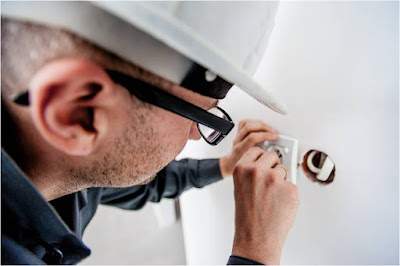
An electrician with a helmet working on a plug in a wall.
Hiring an electrician is always better than putting yourself at risk.
Structural work

Structural work usually implies taking down walls and changing the organization of your home. These changes are also home improvements you should never DIY as they can be quite dangerous and damaging if done wrong. The main mistake you could make is tearing down a load-bearing wall. Even if you have access to blueprints or you know which ones you shouldn’t touch, changing the structure of your home without professional help can be a recipe for disaster. Even doing something as little as breaking through a wall to install a door can undermine the integrity of your home. This kind of work is among the biggest projects you can undertake, so it would be a good idea to get your belongings out of the space. Renting a storage during renovations would ensure your things remain safe and the workers can have enough space to get the job done.

Installing gas appliances

In line with electrical and plumbing work, installing gas appliances is also on the list of the top 5 home repairs you should never do yourself. It doesn’t really matter if it is a gas oven, water heater or dryer. Even if you are very careful and have the appropriate tools, if you do not know what to look for, you could still have a leak. Not only are gas leaks a health hazard, but they can cause even more damage as they can cause explosions or fires in your home. To stay on the safe side, always have a professional around when dealing with gas repairs or installing gas appliances.
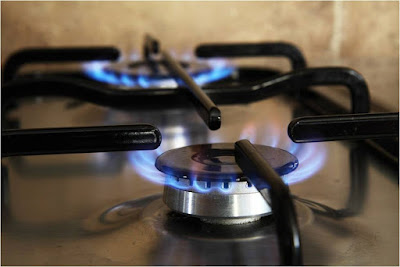
A gas stove top turned on with flames coming out below the grate
Doing DIY projects that involve gas appliances can be quite dangerous as you can be unaware of any potential leaks.
Asbestos removal

The final addition to the home improvements you should never DIY list is removing asbestos. Owners of newer homes won’t have to deal with this predicament as the use of asbestos for insulation was banned in 1989 in the US. In many states, there are even laws against removing it yourself. Even if these laws aren’t at play where you are, removing asbestos yourself is still not recommended. The main reason for this is that doing it yourself would expose you and those around you to its toxicity. This is definitely not the kind of home improvement project you want to take on yourself. As with the other four on this list, err on the side of caution and ease and let the professionals handle this for you.


  © Blogger template 'A Click Apart' by Ourblogtemplates.com 2008

Back to TOP